Old World Charm
A pair of binoculars. A bronze uruli. An almost blackened brass kettle. A slightly blurry magnifying glass. A set of black and white photos in twisted silver frames. A silver urn. An old sevanazhi.
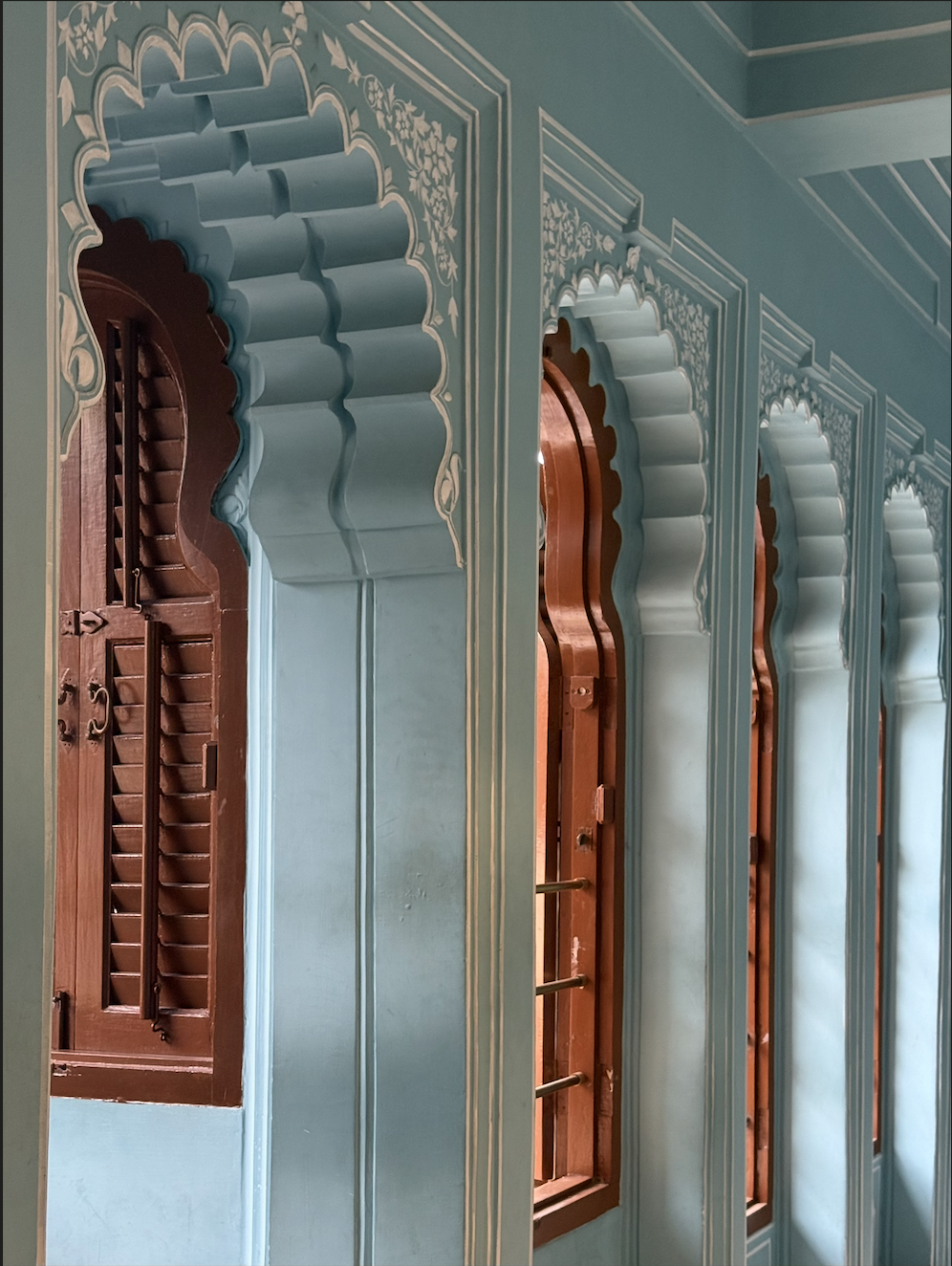
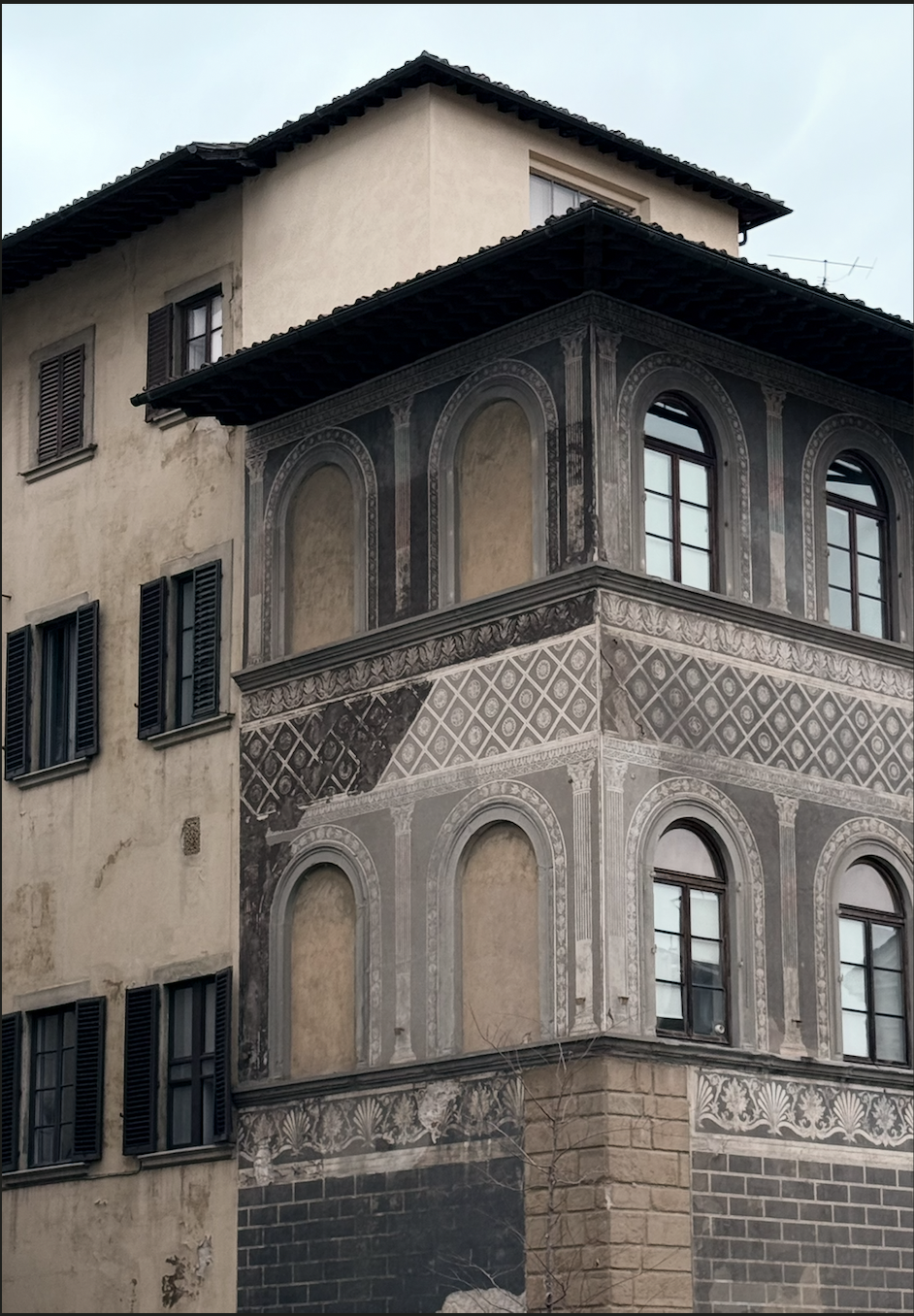
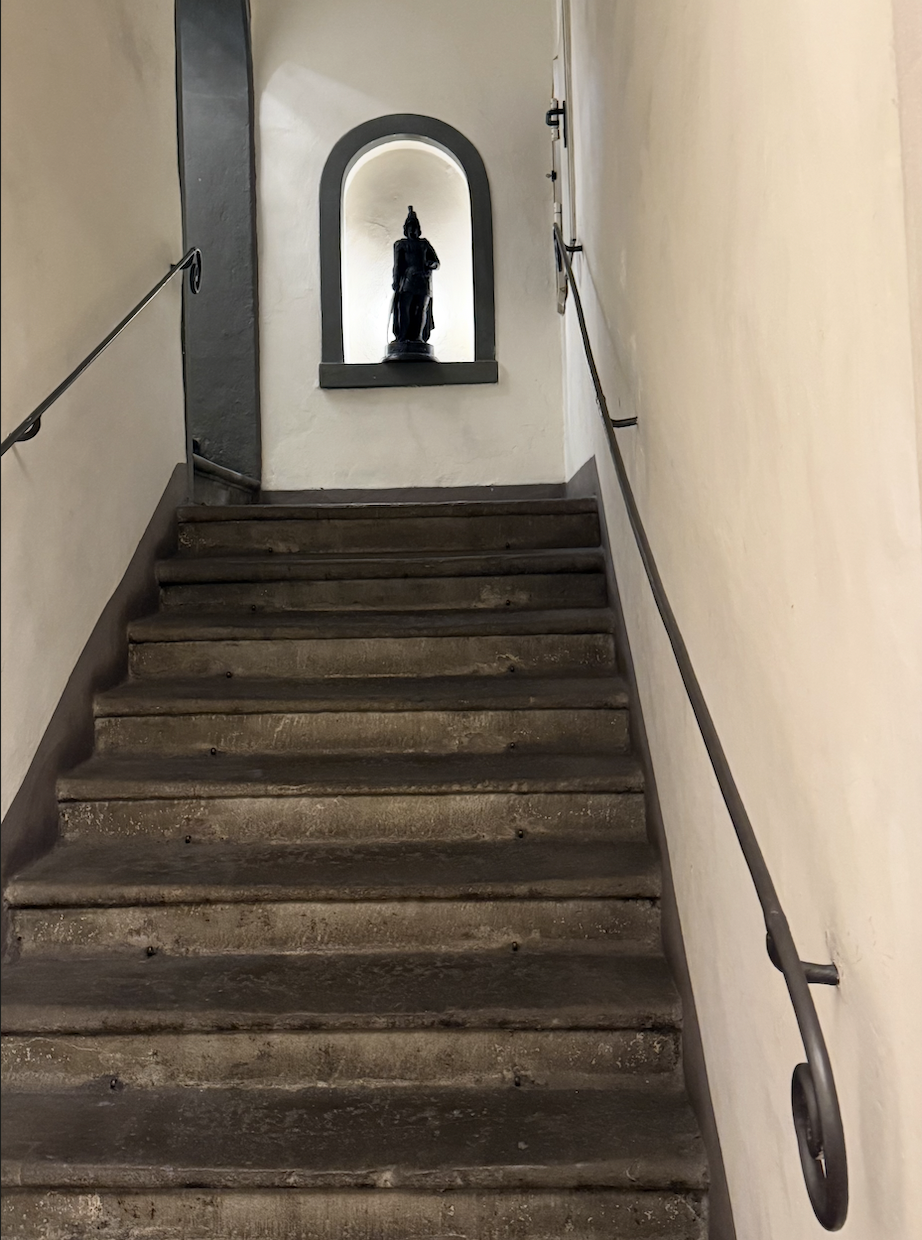
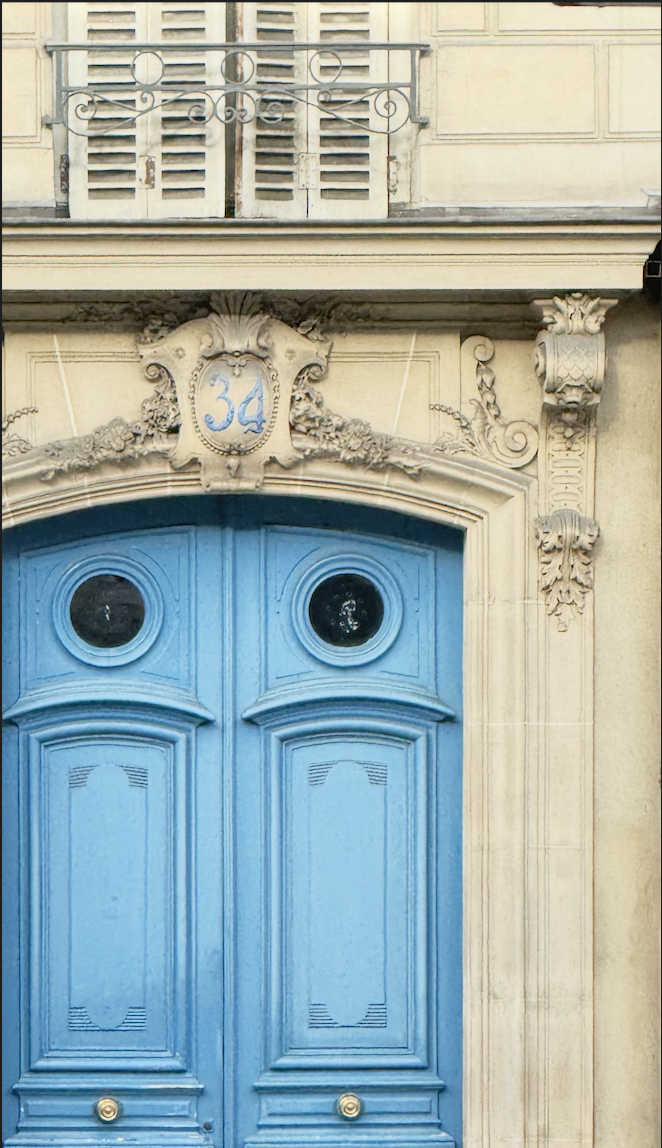
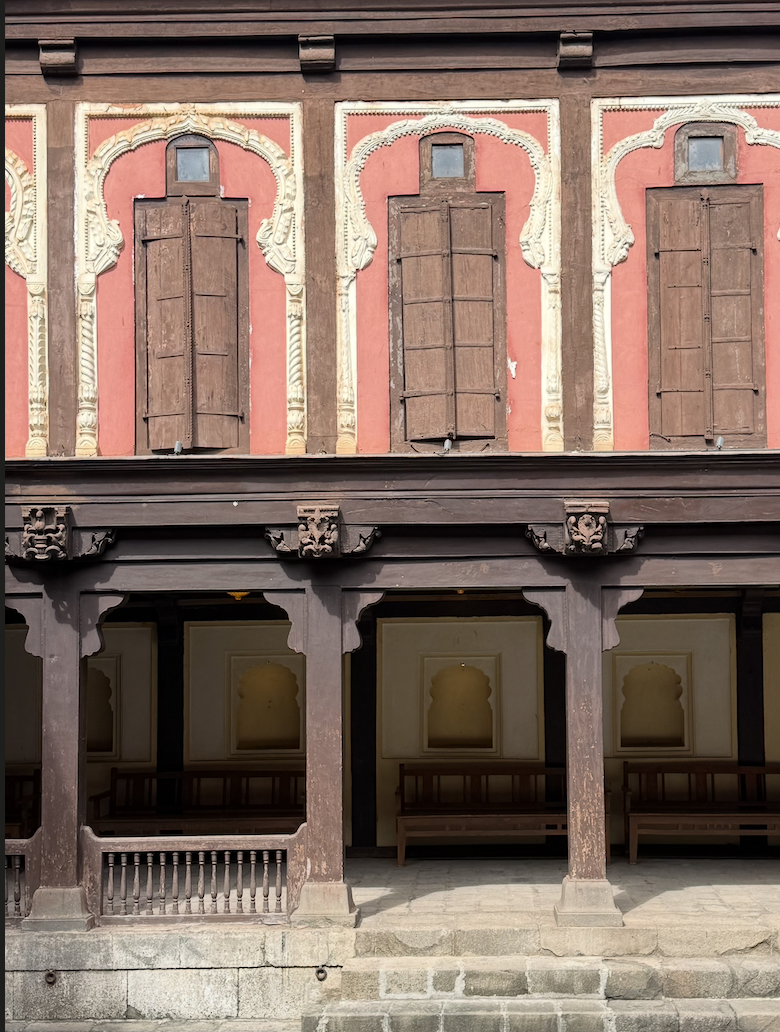
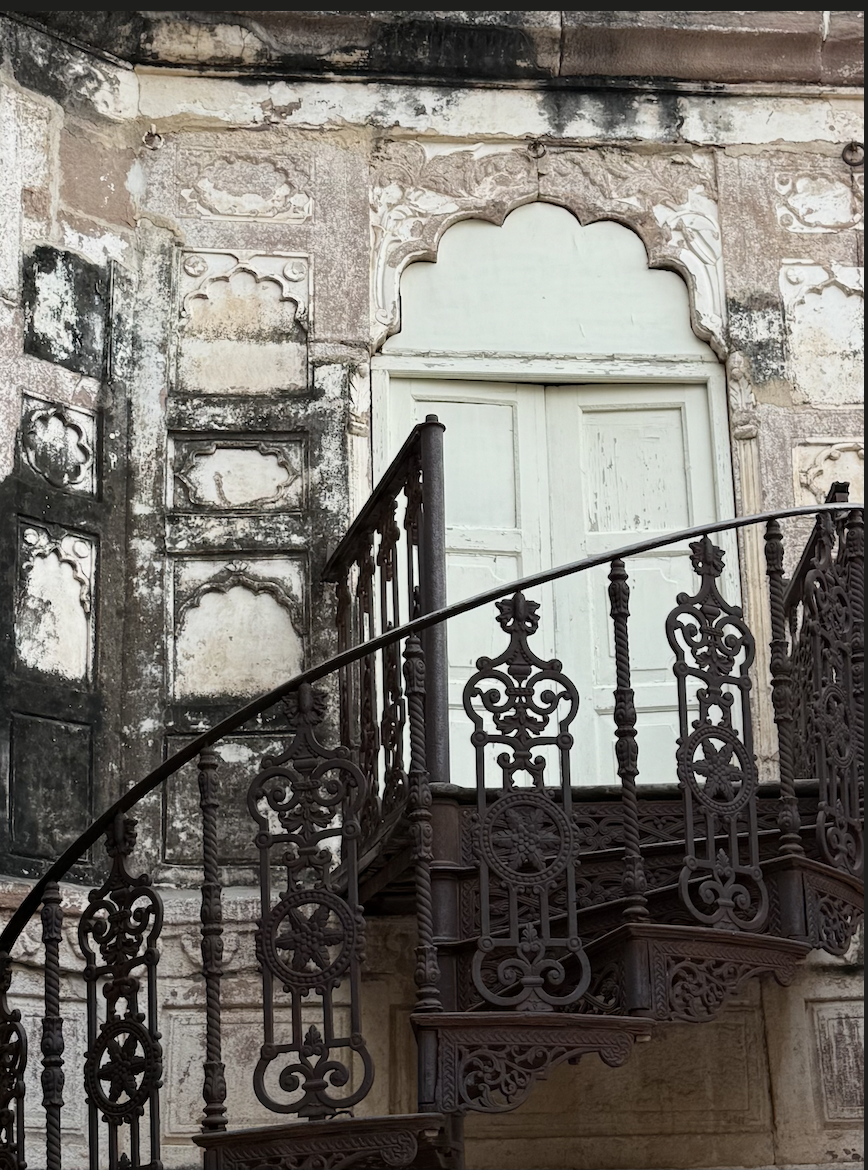
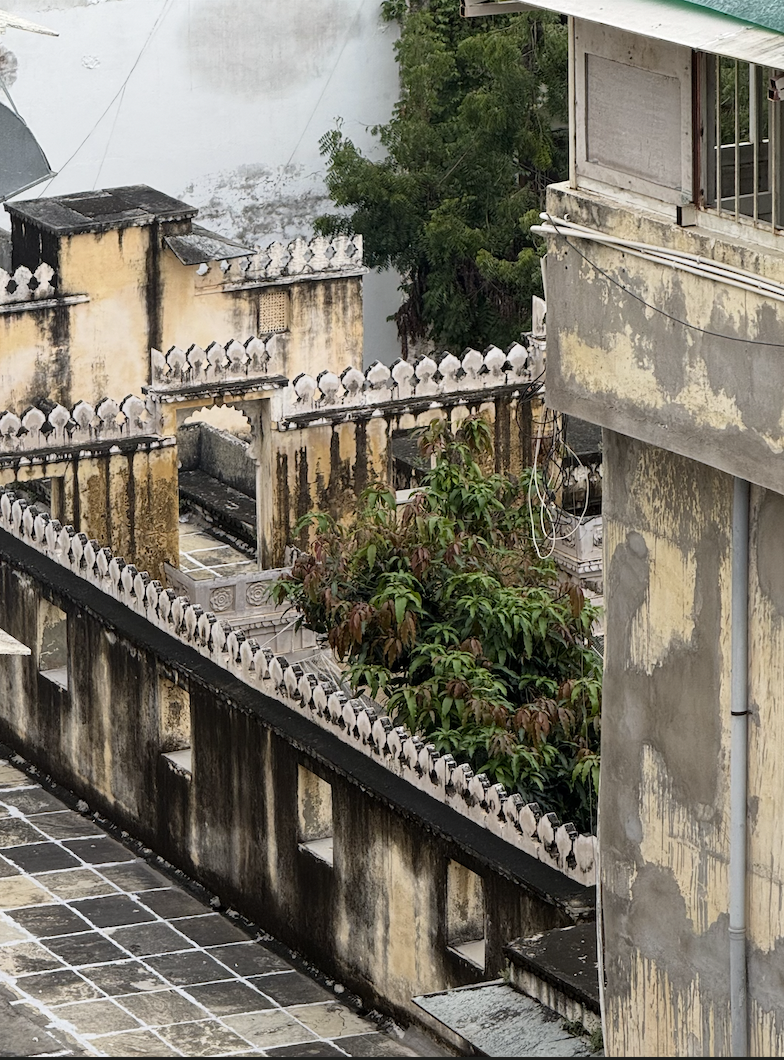
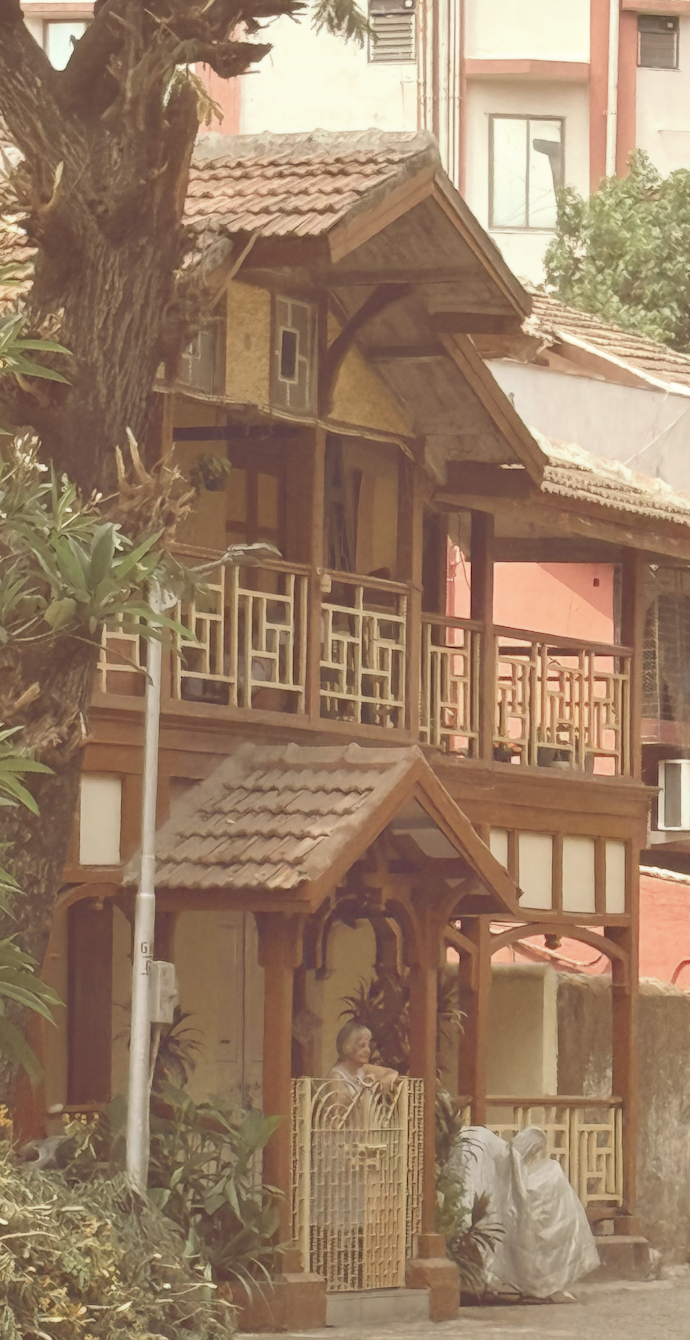
These are some of the objects that anchor me in my home. Some are worn hand-me-downs, while others are new—yet they remind me of simpler times when objects held a place of quiet importance. I have always been drawn to this "old-world charm." Whether it is a wrought iron railing, weathered wooden floors, peeling paint that reveals the beautiful lime beneath, or even puchkas served on sal leaf pattals in the narrow gullies of a city—these sights make my soul joyful.
Never before had I really delved into these intimate, gut-feelings. Why, exactly, is this joyful? Why does it offer such a deep sense of comfort? I decided to dig deeper to understand how these objects and spaces act as an anchor for us.
What I realized is that I haven’t carried these objects from city to city merely as decor. They do something more meaningful: they create a "home" around me, regardless of the new space I move into. We live in a world where change is the only constant. Life moves from A to B in a flash, and to Z in another; our years go by in the blink of an eye. We need to be grounded in this overwhelming reality of chaos. This is where these objects, rituals, and traditions play their intangible, yet crucial role—the role of holding us in place and keeping us from drifting away in the tide of time.
THE ANCHOR OF CONTINUITY
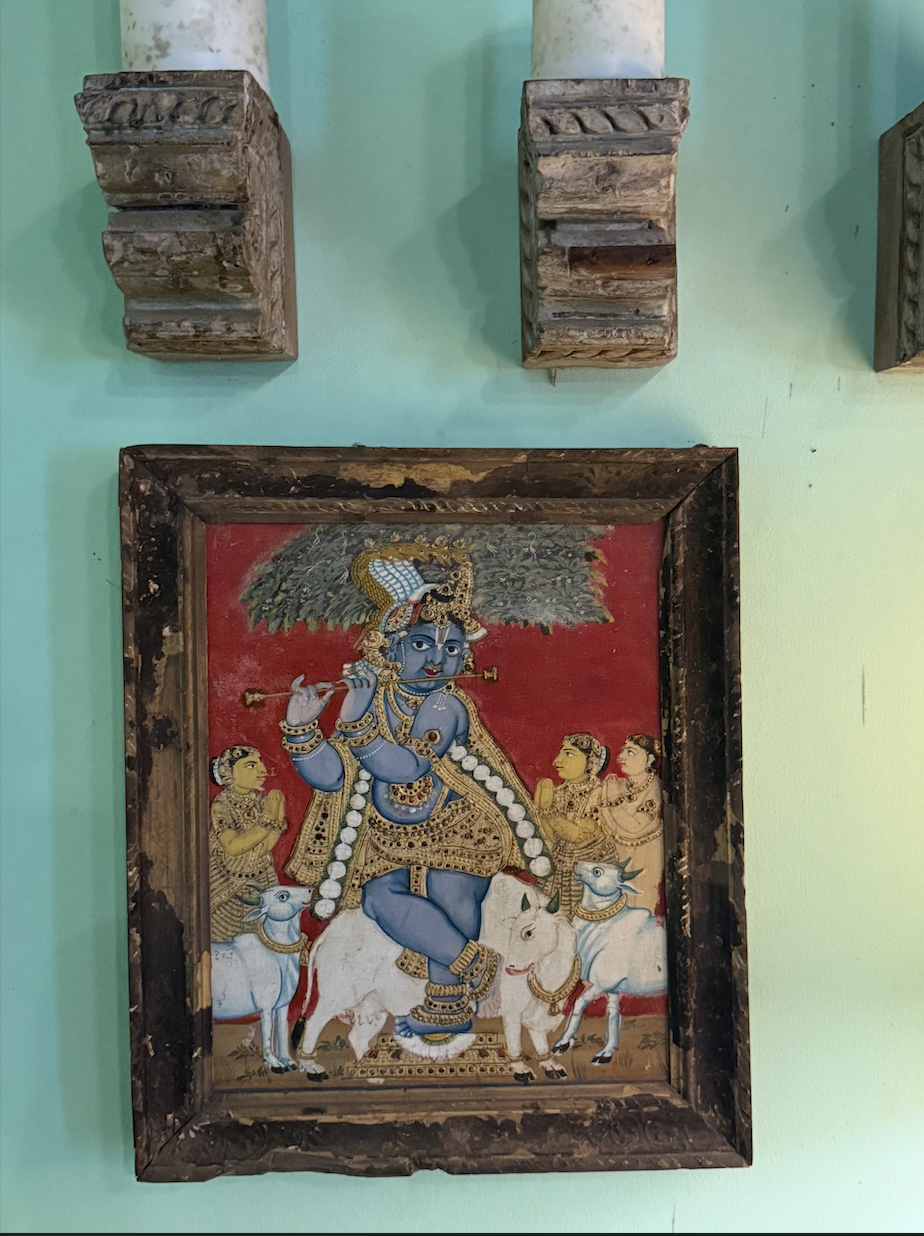
Psychologically, human beings crave a sense of continuity. Something that has endured the ravages or blessings of time signals stability. Being part of a story that exists beyond ourselves is essential to creating a sense of belonging; it acts as a balm to our own impermanence. These heirlooms and symbols connect you to a past you weren’t a part of, and in doing so, reassure you that your own story will continue into an unknown future.
THE ANCHOR OF MATERIALITY
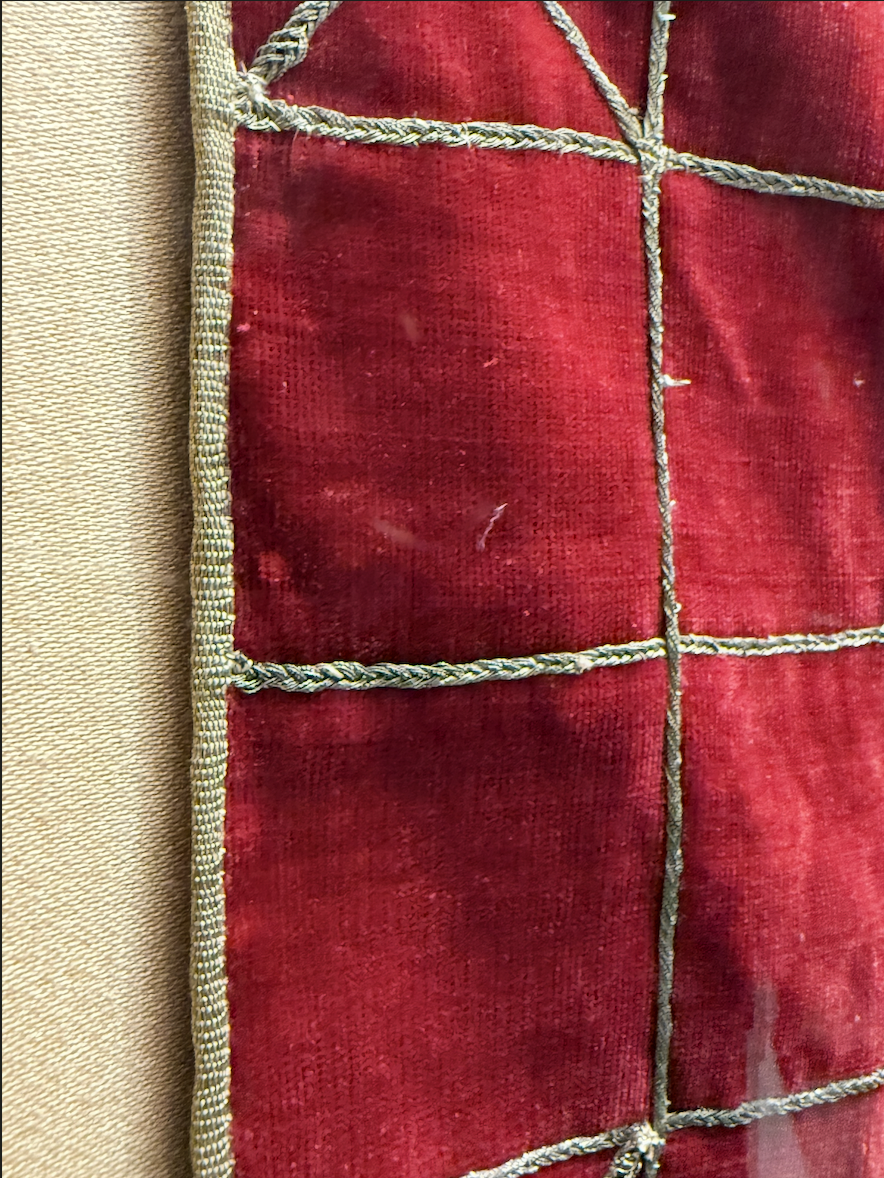
We live in a world of constant innovation, where we are always trying to create something that mimics something else. But old-world objects were true to what they were. Wood was wood; brass was brass. I do not see the patina on a brass kettle or the peeling lime on a wall as a sign of decay. Instead, I see these flaws as a mirror to the human condition—our own imperfections and our mortality. This authenticity is comforting; it provides no confusion to our senses. It is honest.
THE ANCHOR OF THE SELF
In our attempt to efficiently complete our daily tasks, we have gone so far that we have become disconnected from the process. When I use a sevanazhi, I know the exact amount of pressure I need to apply; I know instinctively when to turn to the next one. The idiyappams I make bear the stamp of my own effort. I know this is how my mother did it, and my grandmother before her. This manual engagement with the textures and tactility of the old world leads to a restorative mindfulness that modern "efficiency" simply cannot provide.
Perhaps the charm we are all looking for isn't in the past itself, but in the feeling of being truly present.